Self
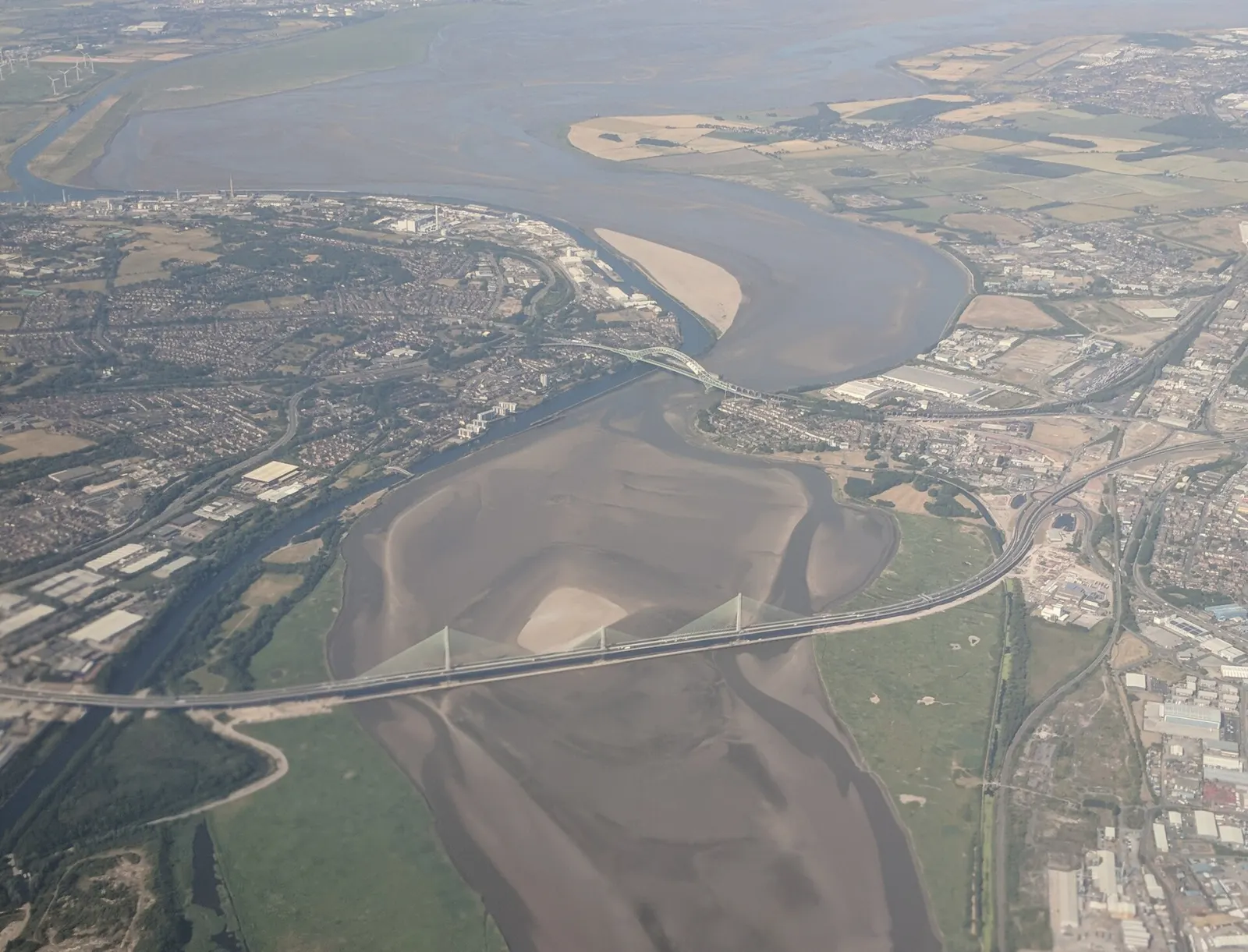
I grew up on the Castlefields estate in Runcorn, UK. I know what it's like to grow up without much money, and I know how quickly people judge you for where you live. I was also a young gay man in the 1990s, and in a town like mine that wasn't easy. I learned early what discrimination feels like: being made to feel you don't belong, and being treated differently for who you are.
Those experiences shaped everything that came after. I started as a support worker in 1997, working alongside people with intellectual disability. I saw people being judged, excluded and talked about rather than listened to, and I recognised some of it. I wanted to be the person who stood beside them. That's what sent me back to study. I qualified as a social worker in 2005 and went to work for Halton Borough Council, in the community I grew up in.
Halton taught me what poverty really does to people, and it wasn't just theory to me. Many of the adults I worked with had intellectual disability or mental health needs, and they were also dealing with poor housing, debt, isolation and services stretched too thin. Poverty was often the reason a crisis became an emergency. You can't support someone well if you only look at their diagnosis and ignore the rent, the empty fridge or the loneliness.
You can't support someone well if you only look at their diagnosis and ignore the rent, the empty fridge or the loneliness.
The work was complex. I made decisions about people's capacity, safety and liberty. I safeguarded adults at risk of abuse, and worked with people in the forensic system. Every decision had to stand up under the law and still honour both the person's rights and the risks they faced.
In 2008 I moved to Australia to work for the ACT Government, designing services for children with disability and their families. Australia gave me opportunities I never imagined as a kid from Castlefields. I managed a program for younger people with disability living in aged care homes, and we built new homes so they could live like other people their age. I led work to reduce restrictive practices. Today I lead a not-for-profit in NSW.
Us
What ties all of it together is what social work brings. We see the whole person, their family, their community and the systems around them, and we ask what a good life looks like for them.
That takes more than compassion. Social workers have to understand legislation, and interpret policy and regulation that is often complex, changing and contradictory. We need to know what the law requires, what it allows, and where it's being used against the person it's meant to protect. That takes critical thinking: questioning assumptions, weighing evidence and making sound judgements under pressure.
Above all, we're trained to see power. Many of us know from our own lives what it's like to be on the wrong side of it. The people we work with are often up against systems with far more power than they have: services, funding bodies, courts and sometimes their own supporters. Social workers name that imbalance and work to shift it.
Now
When I arrived in Australia, I missed the clear professional identity social work has in the UK, where the title is protected and the profession has a recognised place in public life. Here, anyone can call themselves a social worker, and much of our work goes unseen. That matters, because the people we support deserve to know the person beside them is qualified, accountable and trained for this responsibility.
I want the next kid from an estate like mine, who knows what it's like to be judged or left out, to find a profession that's visible, respected and proud, and a place in it. If you believe that too, share your story and stand up for social work.